Total Recyclables Collected: 362,459 kilos
Puerto Princesa circular economy pilot yields 1.4 tons of recovered waste, formalizes 58 frontline workers
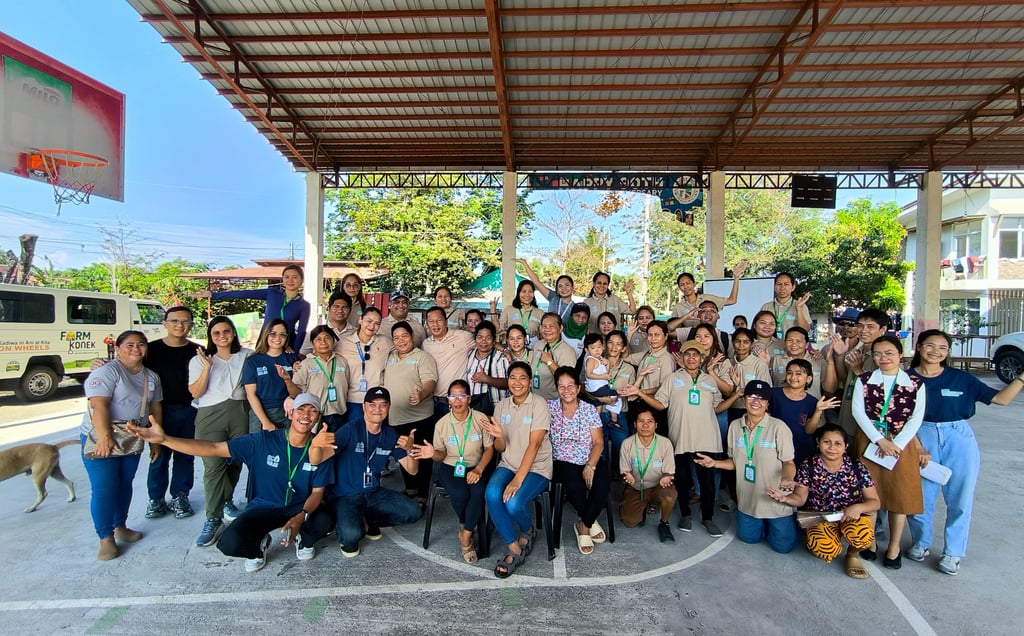
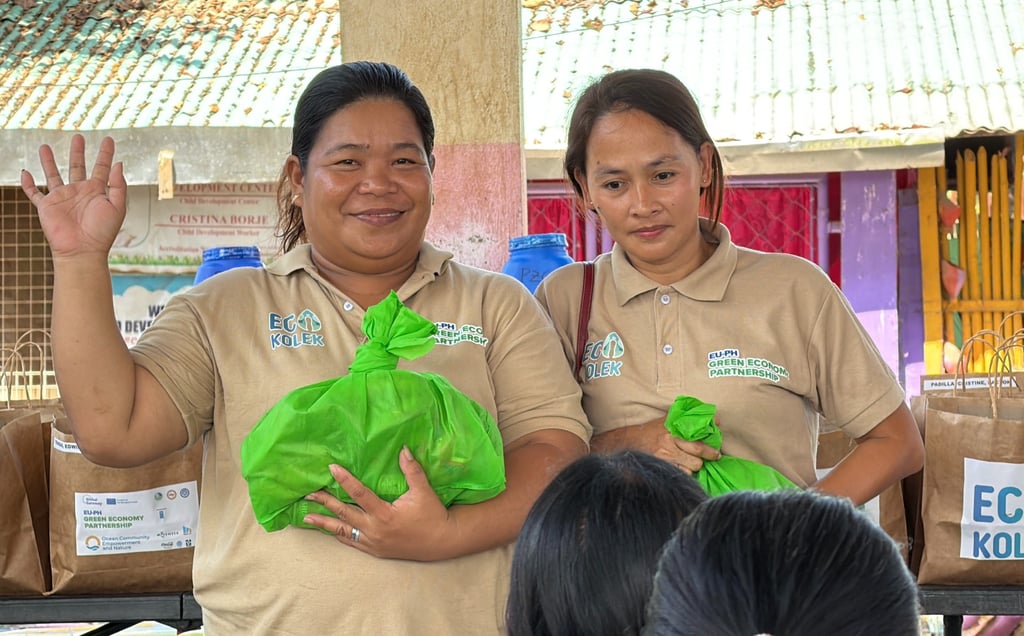
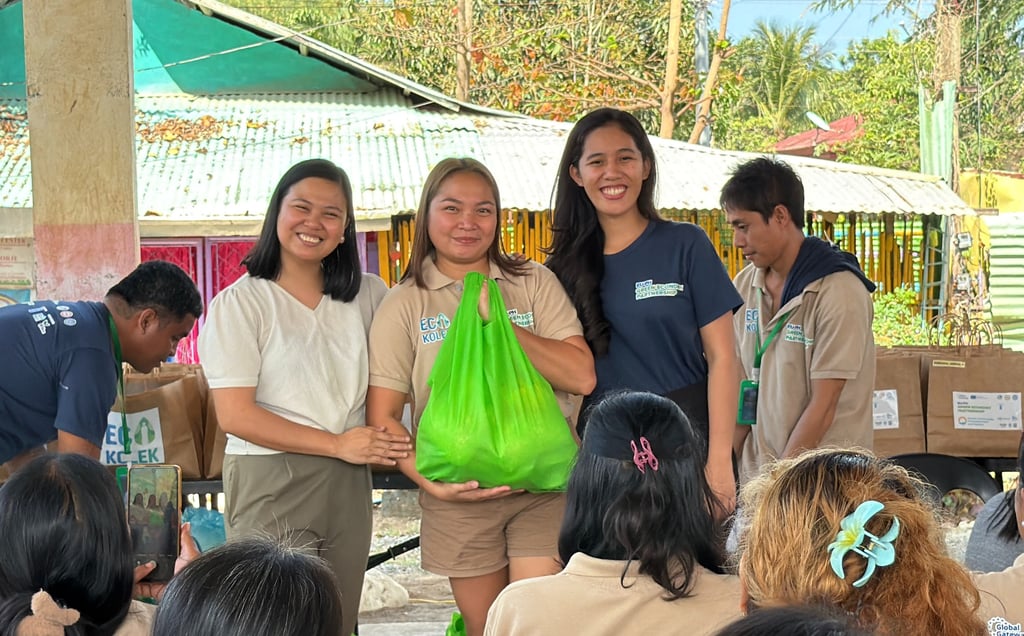
Demonstrating the operational viability of community-driven solid waste management, Project Zacchaeus (PZC) continues to pilot the implementation of its Eco Kolek program in Barangay Sicsican. Supported by the EU-PH Green Economy Partnership implemented by the United Nations Development Programme (UNDP) alongside the OCEAN Grants, the initiative recorded significant gains in plastic diversion and workforce professionalization. The culminating activity, attended by local government officials and 58 professionalized "Eco Warriors," served as a strategic review of the program’s first-quarter performance across three pilot zones: Purok Mahogany, Purok Firetree, and Purok Talisay.
Mitchell Gimena
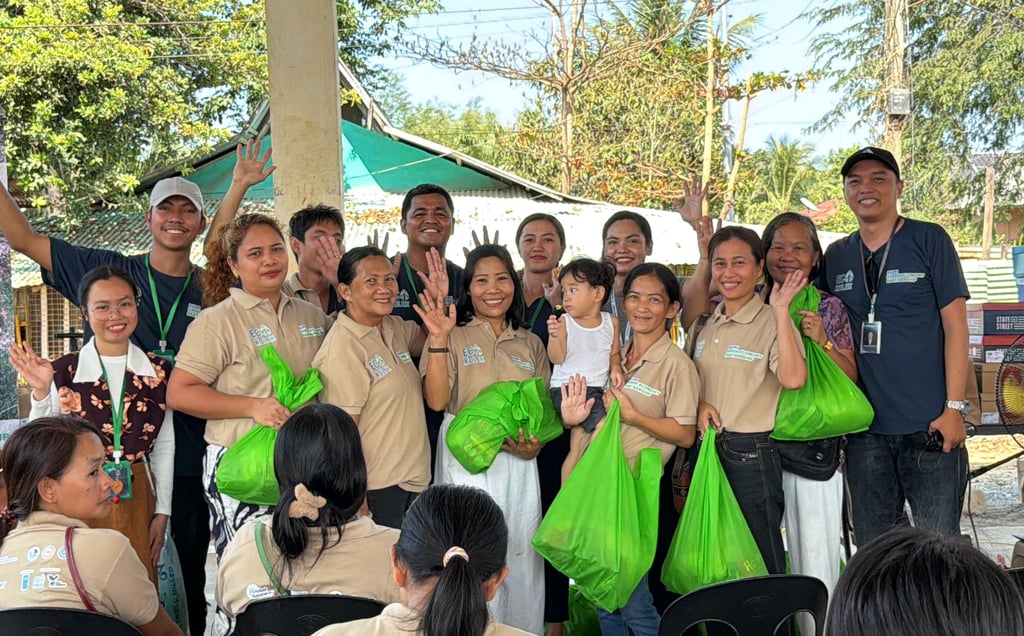

PUERTO PRINCESA CITY, Palawan — Demonstrating the operational viability of community-driven solid waste management, Project Zacchaeus (PZC) continues to pilot the implementation of its Eco Kolek program in Barangay Sicsican. Supported by the EU-PH Green Economy Partnership implemented by the United Nations Development Programme (UNDP) alongside the OCEAN Grants, the initiative recorded significant gains in plastic diversion and workforce professionalization.
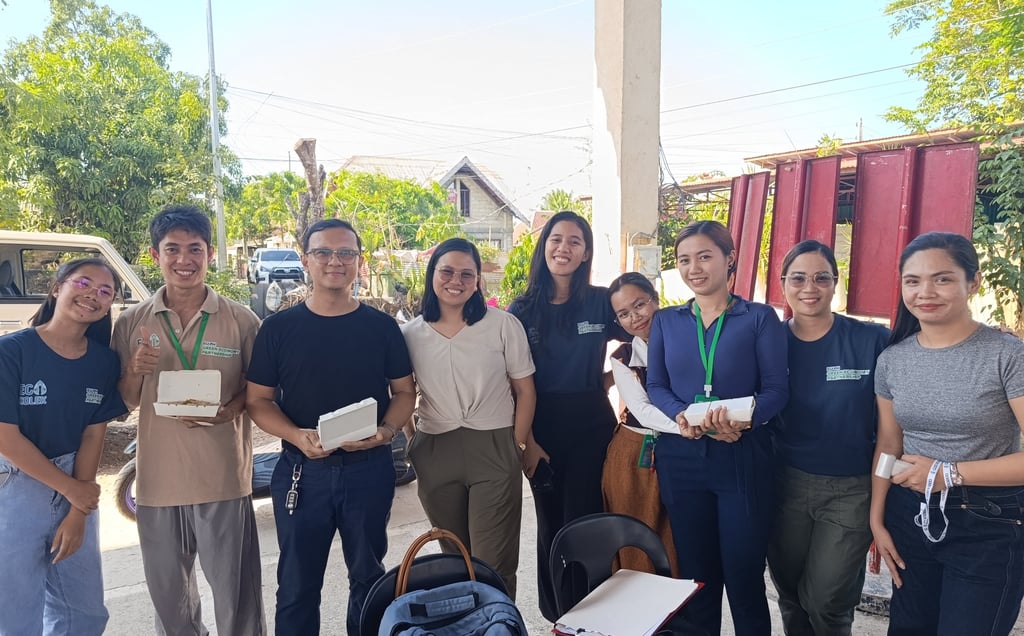
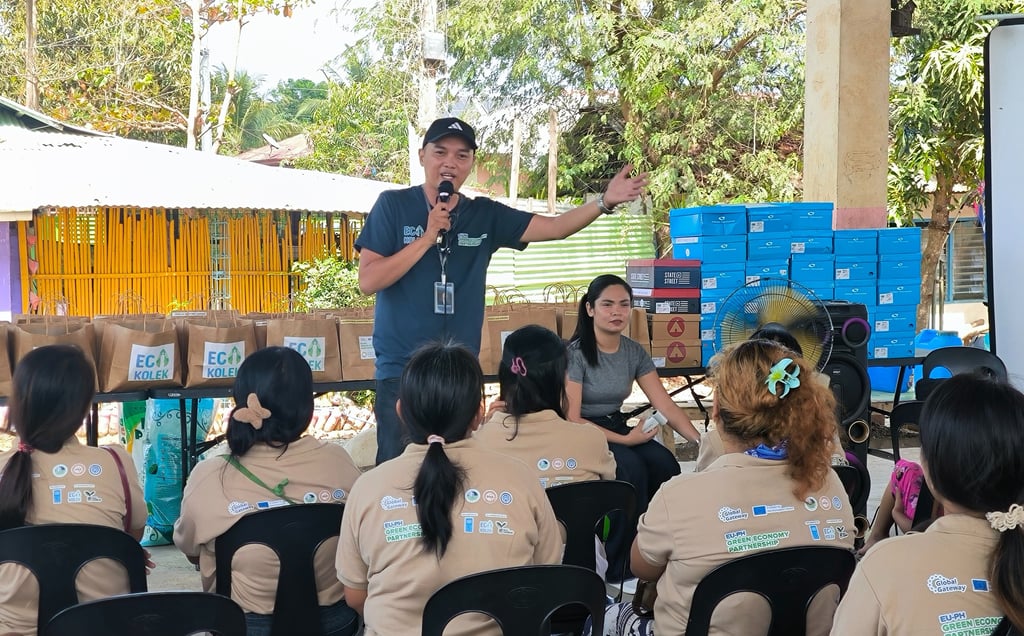
The culminating activity, attended by local government officials and 58 professionalized "Eco Warriors," served as a strategic review of the program’s first-quarter performance across three pilot zones: Purok Mahogany, Purok Firetree, and Purok Talisay.
The pilot's on-the-ground success was driven by robust inter-agency cooperation with the Sicsican Barangay Local Government Unit (BLGU), the City Environment and Natural Resources Office (City ENRO), and the City Department of the Interior and Local Government (DILG).
Data-driven environmental impact
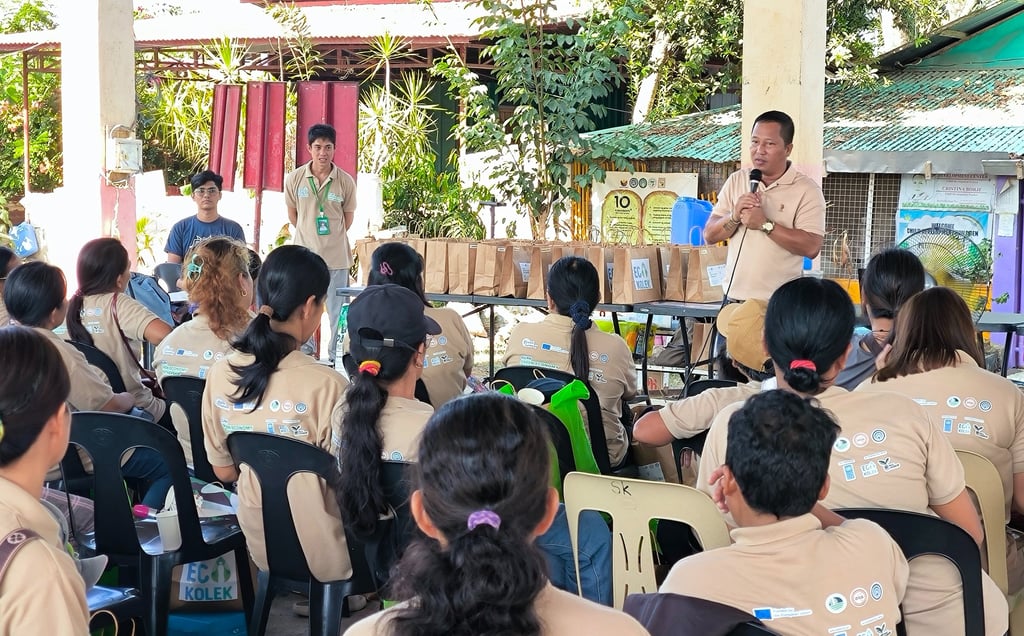
During the plenary presentation, PZC Head of Operations Dennis Barcelona detailed the project's verified metrics. In its first quarter of implementation, the Eco Kolek fleet successfully recovered 1,419.7 kilograms of recyclable materials, effectively diverting this volume from the city's landfills and coastal ecosystems.
This high diversion rate is attributed to an aggressive grassroots mobilization strategy. According to the post-activity report, the program successfully secured active compliance and formal partnerships with 353 households and 63 local business establishments, establishing a reliable supply chain for the city's emerging circular economy.
Institutionalizing labor rights and occupational safety
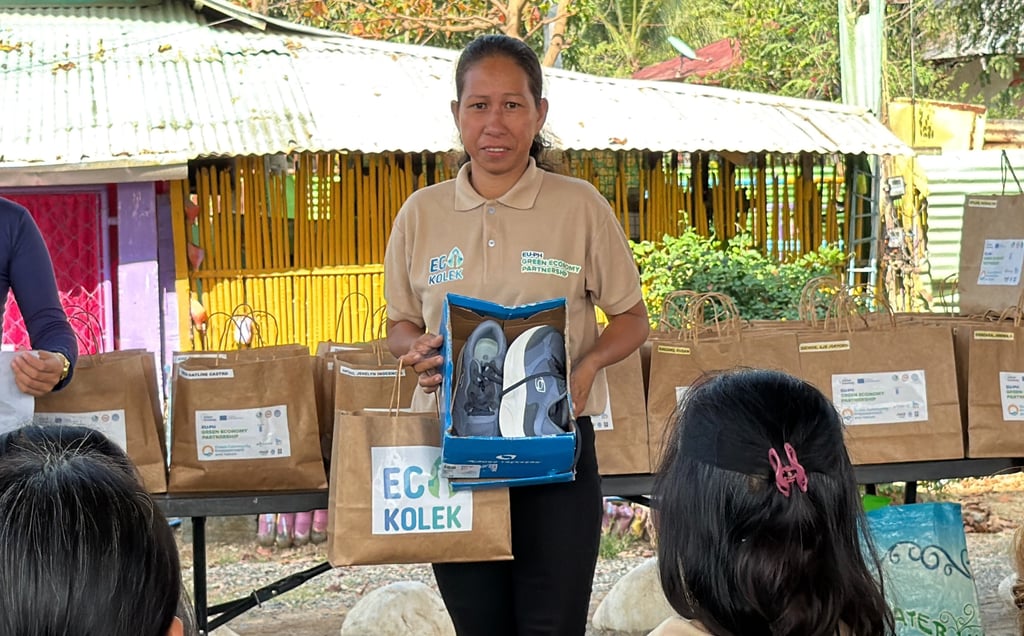
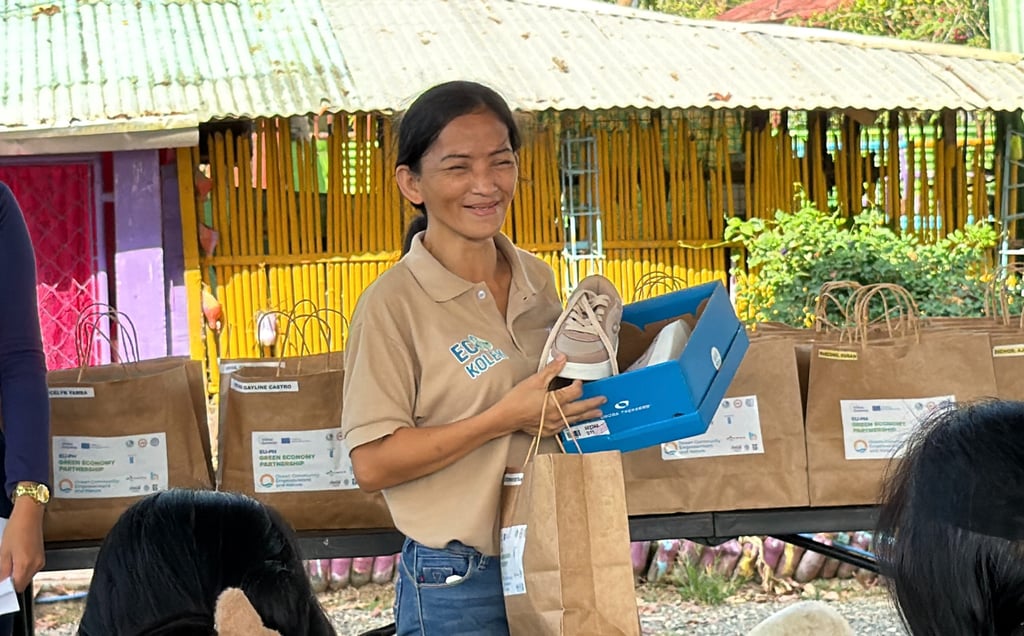
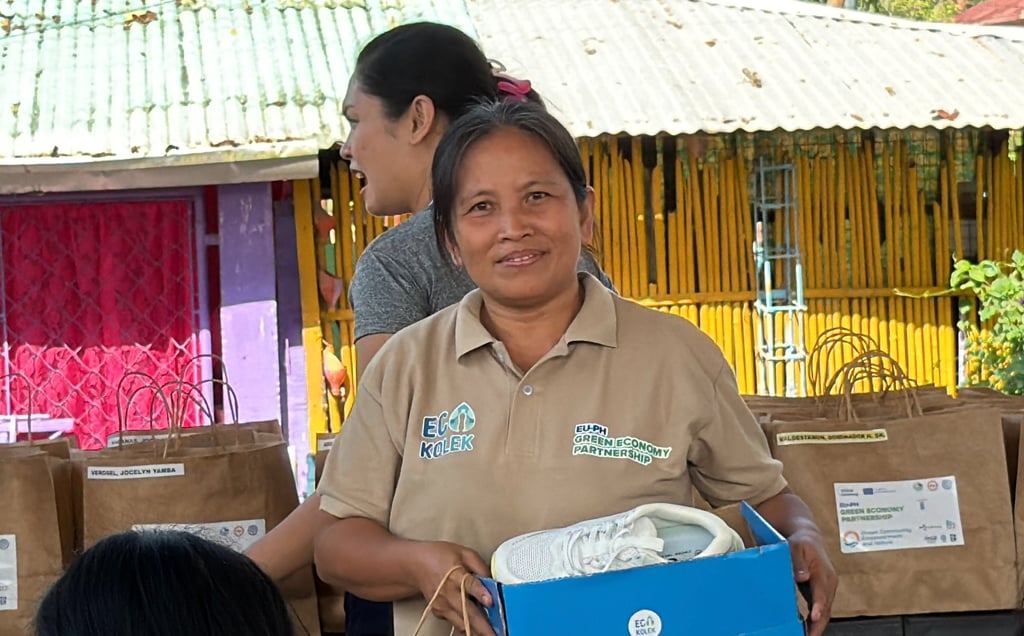
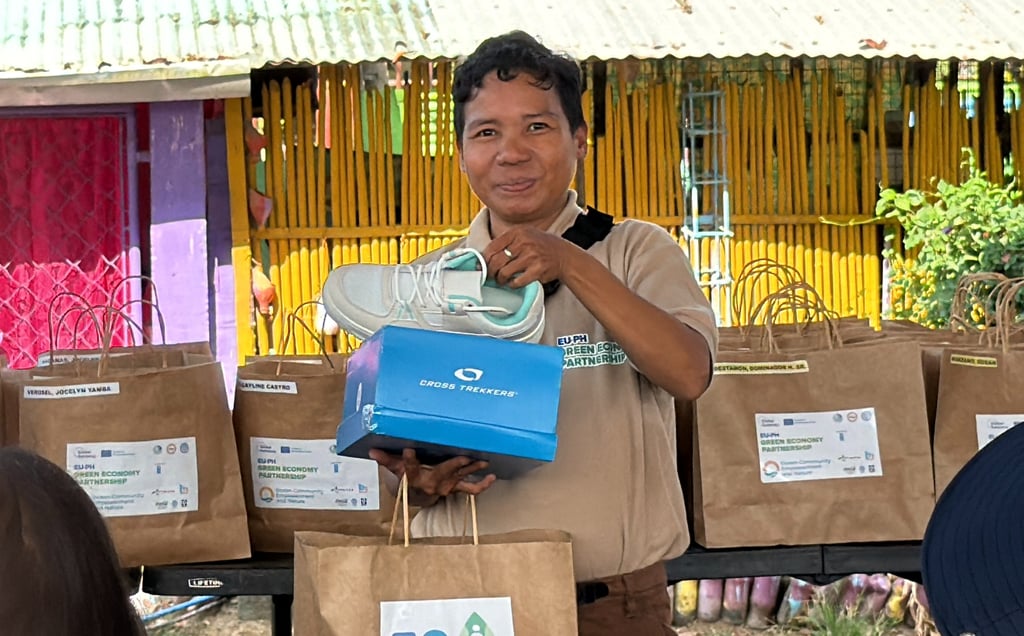
Beyond environmental metrics, the event highlighted PZC’s commitment to social inclusion and the formalization of the informal waste sector. Program organizers distributed official uniforms, Personal Protective Equipment (PPE), and performance incentives to the 58 deployed Eco Warriors.
Providing standardized occupational safety gear is a critical compliance measure, ensuring that the frontline workers operate under safe conditions aligned with national labor standards and international development goals. Furthermore, the workforce was oriented on upcoming capacity-building and livelihood programs, including formal technical certifications managed in coordination with the Technical Education and Skills Development Authority (TESDA).
A replicable model for local governance
The active participation of the Sicsican BLGU, City ENRO, and City DILG throughout the pilot phase underscores the successful integration of the Eco Kolek framework into the government's broader environmental and development policies.
For institutional funders and policymakers, the successful conclusion of the Sicsican pilot provides a highly replicable, data-backed blueprint. By simultaneously enforcing household-level segregation protocols and formalizing the frontline recovery workforce under international grant frameworks, the Eco Kolek program has established a sustainable baseline for scaling circular economy operations across other municipalities in Palawan.