Total Recyclables Collected: 362,459 kilos
Puerto Princesa localizes EPR Law, names 4 pilot barangays for EU-backed plastic recovery
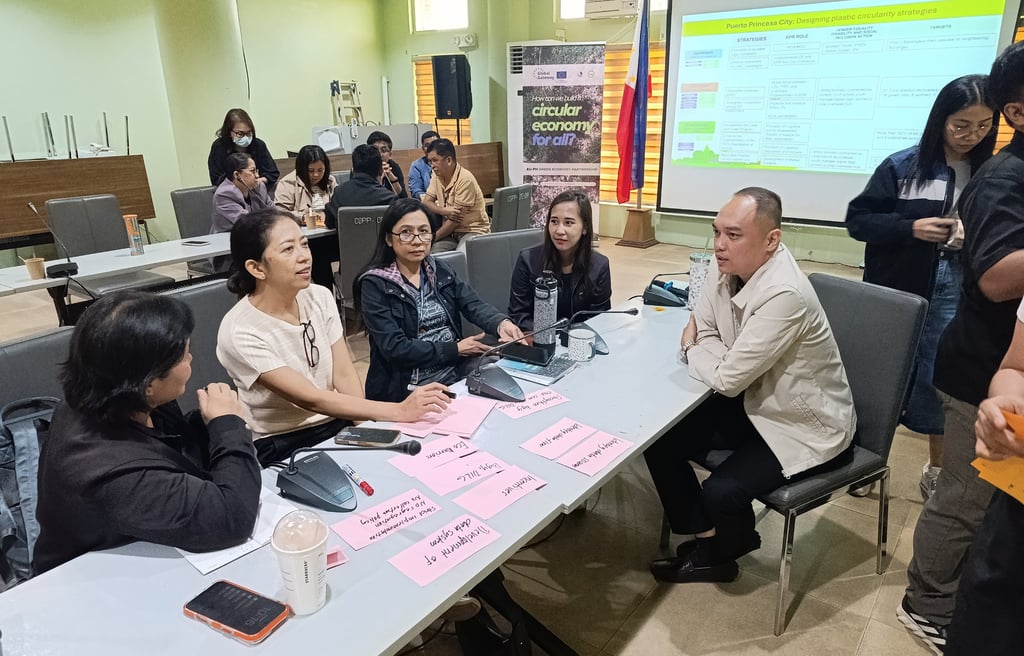
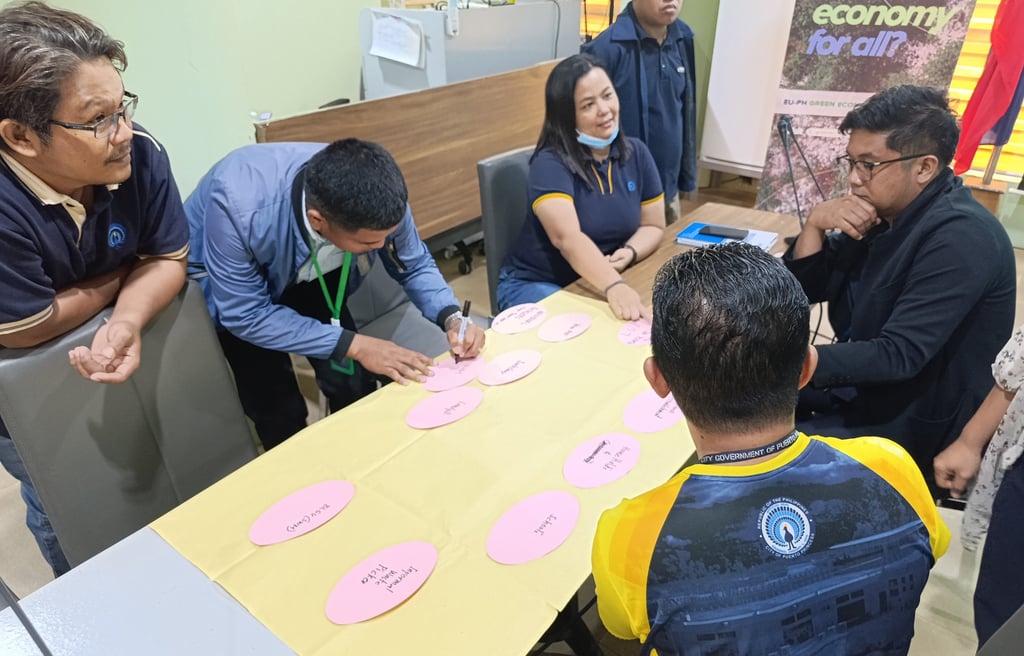
In a move to strengthen the local implementation of Republic Act No. 11898, or the Extended Producer Responsibility (EPR) Act, the city government and the United Nations Development Programme (UNDP) convened key stakeholders for a two-day action planning workshop on March 5 and 6. Project Zacchaeus (PZC), represented by Eco Kolek Program Director Shellemai Roa, joined officials from the City Environment and Natural Resources Office (ENRO), City Planning, DENR-EMB, and the City Tourism Office to formulate the Local EPR Capacity Building and Action Plan.
by Mitchell Gimena
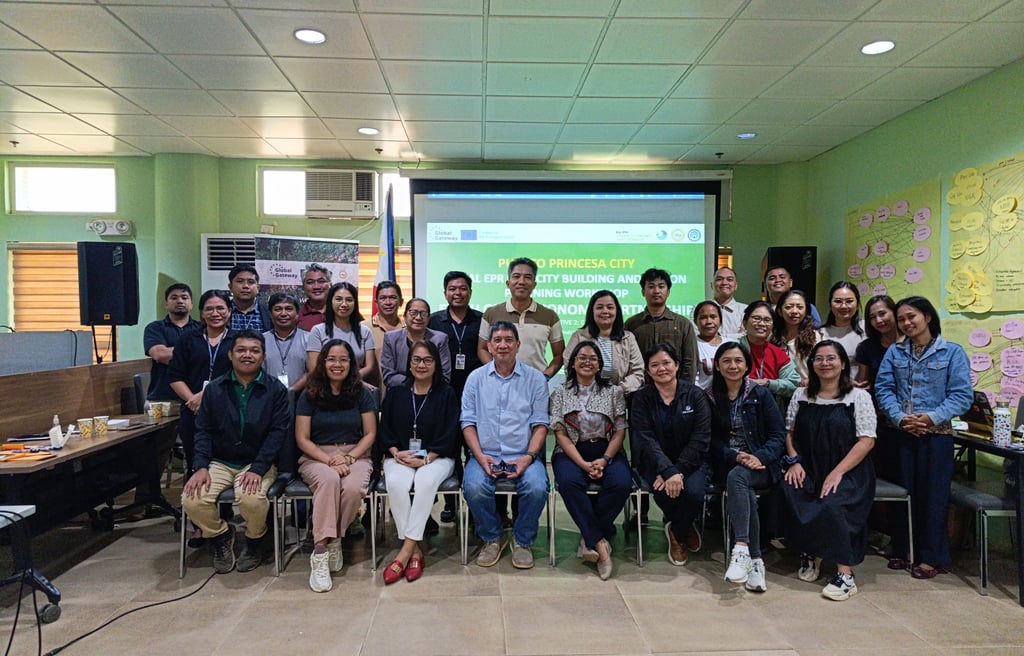
PUERTO PRINCESA CITY, Palawan — In a strategic move to enforce Republic Act No. 11898, or the Extended Producer Responsibility (EPR) Act of 2022, the city government of Puerto Princesa partnered with the United Nations Development Programme (UNDP) to convene key institutional stakeholders for a two-day action planning workshop on March 5 and 6. The assembly aimed to translate national regulatory mandates into localized, actionable waste management frameworks.
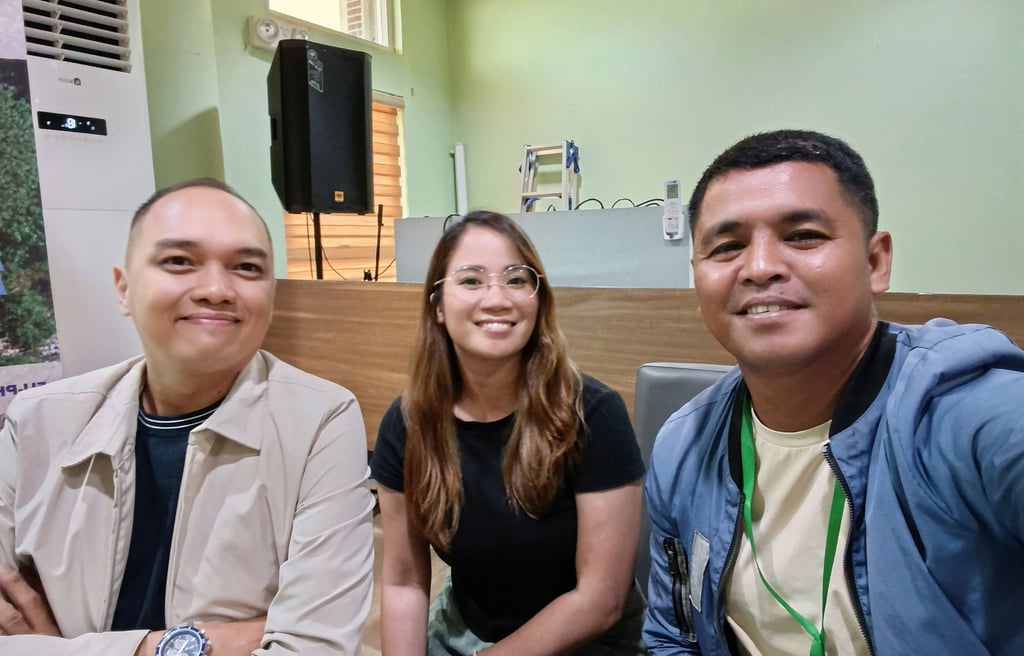
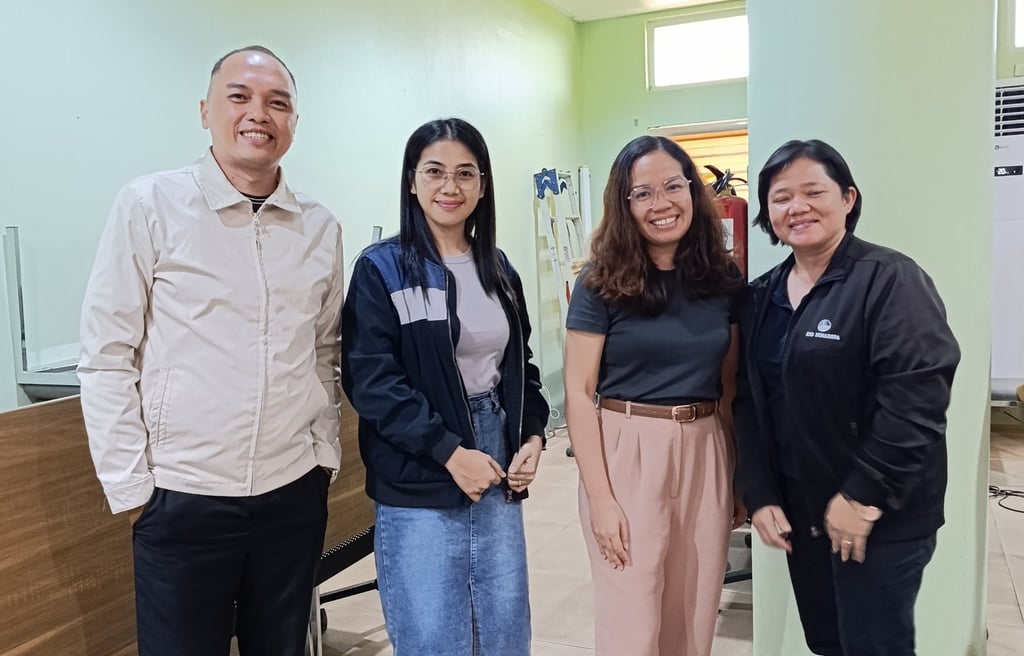
Project Zacchaeus (PZC), represented by Eco Kolek Program Director Shellemai Roa, Dennis Creach Barcelona (Operations Head), Ronnel Rodriguez (Operations Supervisor), and Meriane Grace Roa (Partnership Officer) participated alongside top officials from the City Environment and Natural Resources Office (ENRO), the City Planning and Development Office, DENR-Environmental Management Bureau (EMB), and the City Tourism Office. Together, the technical working group drafted the Local EPR Capacity Building and Action Plan.
This localized policy framework establishes clear compliance mechanisms for large enterprises, mandating the recovery and recycling of their plastic packaging footprint. Concurrently, it sets the operational groundwork for scaling community-level waste segregation to ensure a consistent supply chain for recovered materials.
Operational metrics and policy expansion
During the strategic sessions held at the New City Hall, stakeholders reviewed the city’s recent waste management performance rating, which registered a verifiable improvement from 2.00 to 2.4. To sustain this upward trajectory and achieve higher diversion rates, the committee outlined aggressive regulatory measures.
Chief among these measures is the proposed enforcement of stricter regulations governing the distribution and use of single-use plastics across major commercial establishments, including shopping malls, public markets, and retail stores. Furthermore, the committee approved the procedural expansion of the specialized waste segregation model currently operational in Barangay Sicsican.
EU-PH Green Economy Partnership rollout
The workshop culminated in a definitive operational mandate: the designation of Barangays Sicsican, Irawan, Sta. Monica, and Tiniguiban as official pilot zones for an intensified plastic waste collection program.
Logistics for these four districts will be significantly augmented by the deployment of three new specialized collection trucks, acquired through the EU-PH Green Economy Partnership. Under the formalized public-private framework, Eco Kolek will direct the physical collection and recovery of plastic waste. Meanwhile, City ENRO will function as the primary regulatory body, overseeing program implementation, conducting audits, and ensuring strict compliance with EPR targets.
Puerto Princesa holds the distinction of being one of the first ten local government units (LGUs) in the Philippines selected to receive targeted funding and technical capacity-building under the EU-PH Green Economy Partnership. The integration of Eco Kolek’s community-based model into this international framework directly supports the local government’s priority initiatives. These initiatives were formally endorsed by Mayor Lucilo R. Bayron in March 2025 to permanently institutionalize and modernize the city's solid waste management infrastructure.