Total Recyclables Collected: 362,459 kilos
PZC Institutionalizes Servant Leadership in Waste Workforce Training
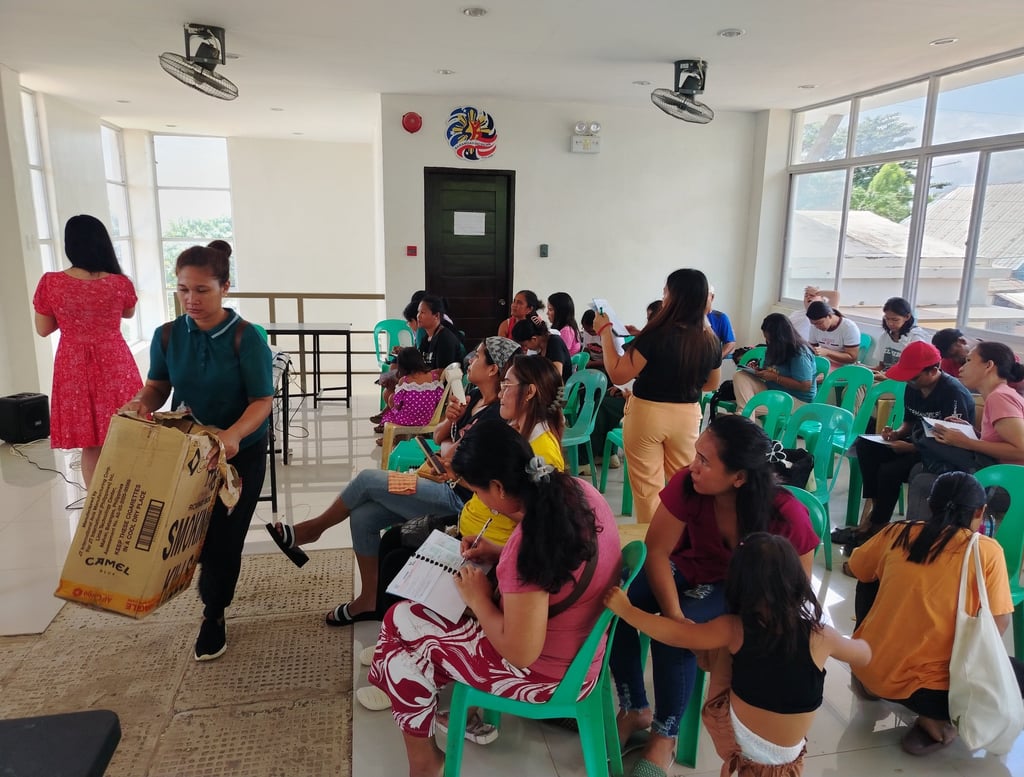
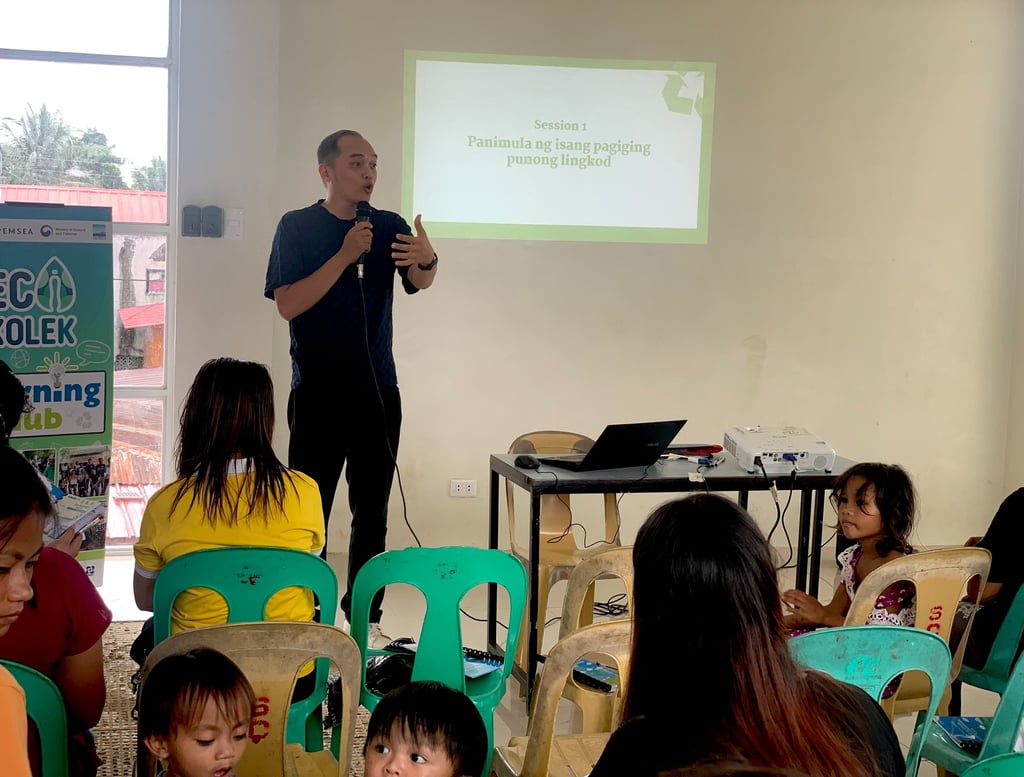
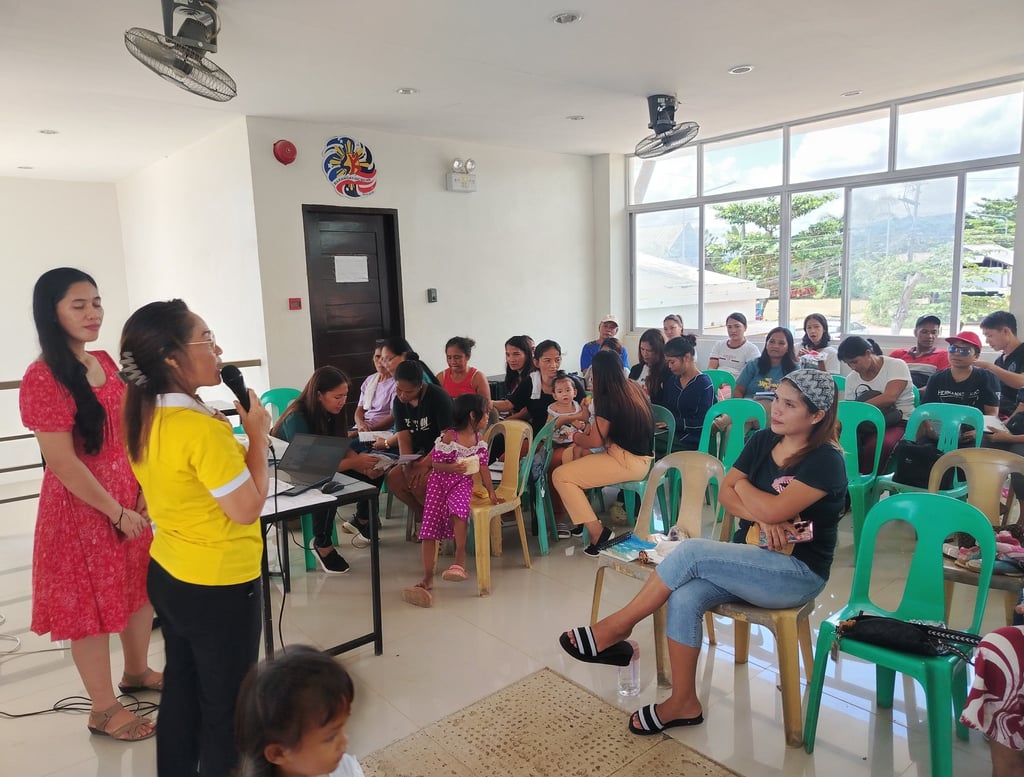
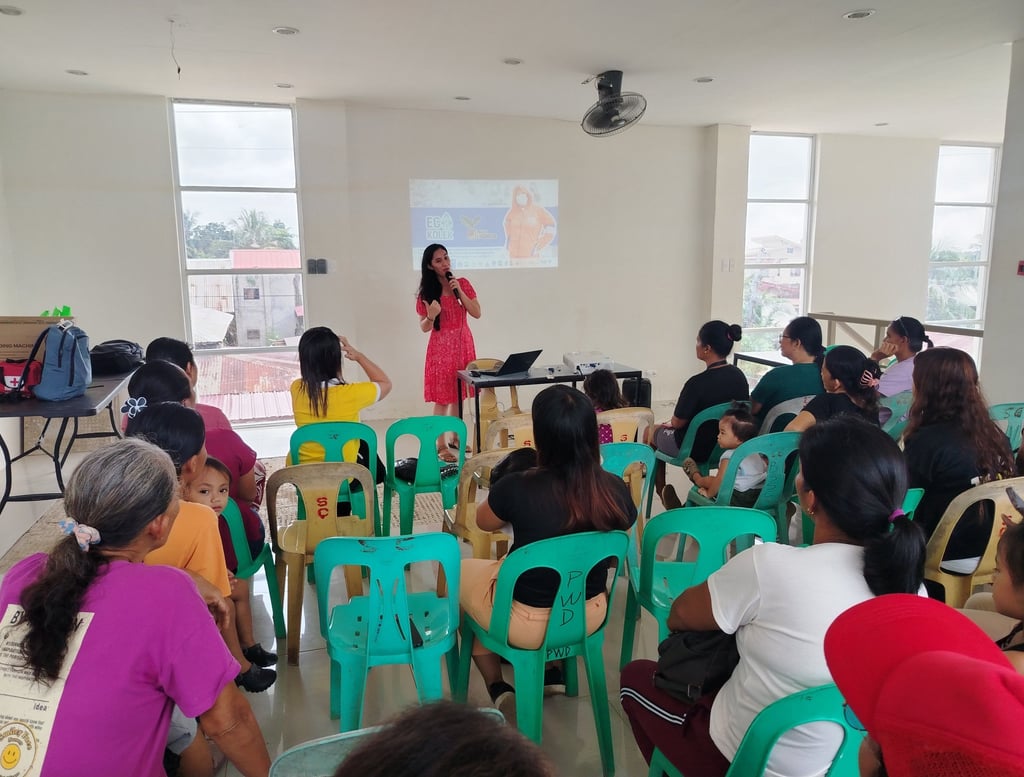
Project Zacchaeus (PZC) has initiated a specialized orientation program for its new cohort of waste collectors, known as Eco Warriors, focusing on establishing a professional and community-centric ethical framework. The inaugural session, held on October 24, 2025, introduced the foundational concepts of Servant Leadership to define the expected operational conduct of the personnel.
by Mitchell Gimena
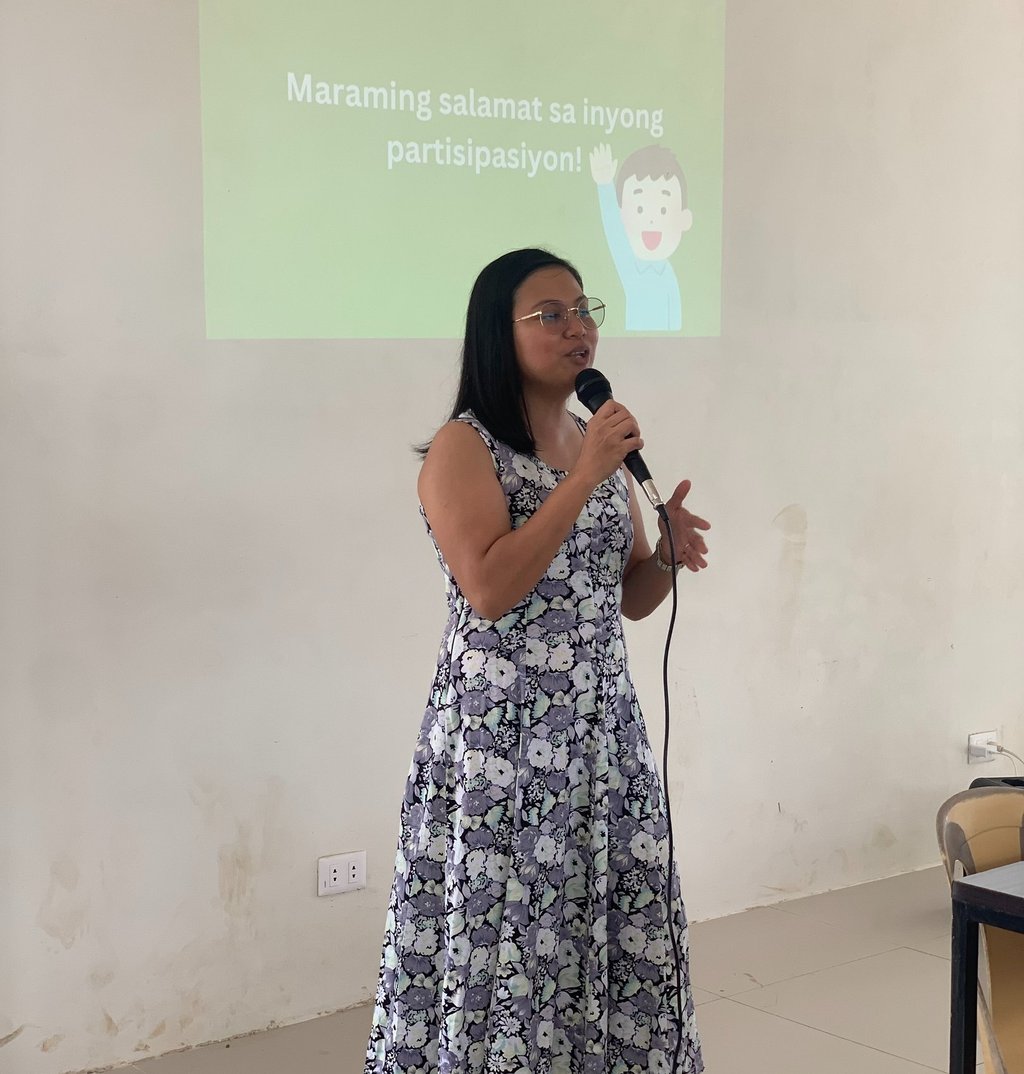
Project Zacchaeus (PZC) has initiated a specialized orientation program for its new cohort of waste collectors, known as Eco Warriors, focusing on establishing a professional and community-centric ethical framework. The inaugural session, held on October 24, 2025, introduced the foundational concepts of Servant Leadership to define the expected operational conduct of the personnel.
The training session was organized to achieve two primary objectives: orient new Eco Warriors on the Eco-Kolek program’s structure and goals, and instill the core values necessary for building community trust.
Focus on Service and Integrity
The central tenet of the training was the framework of Servant Leadership, which emphasizes prioritizing the needs of the community and the growth of colleagues. Facilitators outlined four key operational values:
Service First: Eco Warriors are trained to view their role as extending beyond mere collection. This involves proactive community assistance, such as helping households properly prepare recyclable materials, demonstrating a commitment to the collective effort before prioritizing personal collection quotas.
Listening: The principle mandates that Eco Warriors actively solicit community concerns related to waste management issues. The personnel are trained to respond by offering practical alternatives and solutions to residents rather than strictly enforcing rigid rules, thereby fostering collaborative compliance.
Trust and Honesty: This value underscores the necessity of consistency, integrity, and transparency in all interactions. The training reinforced that maintaining collection schedules and handling materials truthfully are critical requirements for building and sustaining community trust.
Growth of Others: This principle promotes peer mentorship and knowledge transfer. Eco Warriors are taught to assume responsibility for teaching environmentally sound practices, particularly by instructing children on effective segregation techniques, ensuring the sustainability and behavioral impact of the program extends to the next generation.
The training utilized role-playing and peer teaching to translate the ethical framework into practical, real-world operational responses. The session establishes a clear mandate for the workforce, positioning the Eco Warriors as ethical, community-focused agents essential to the success of PZC’s circular economy model.