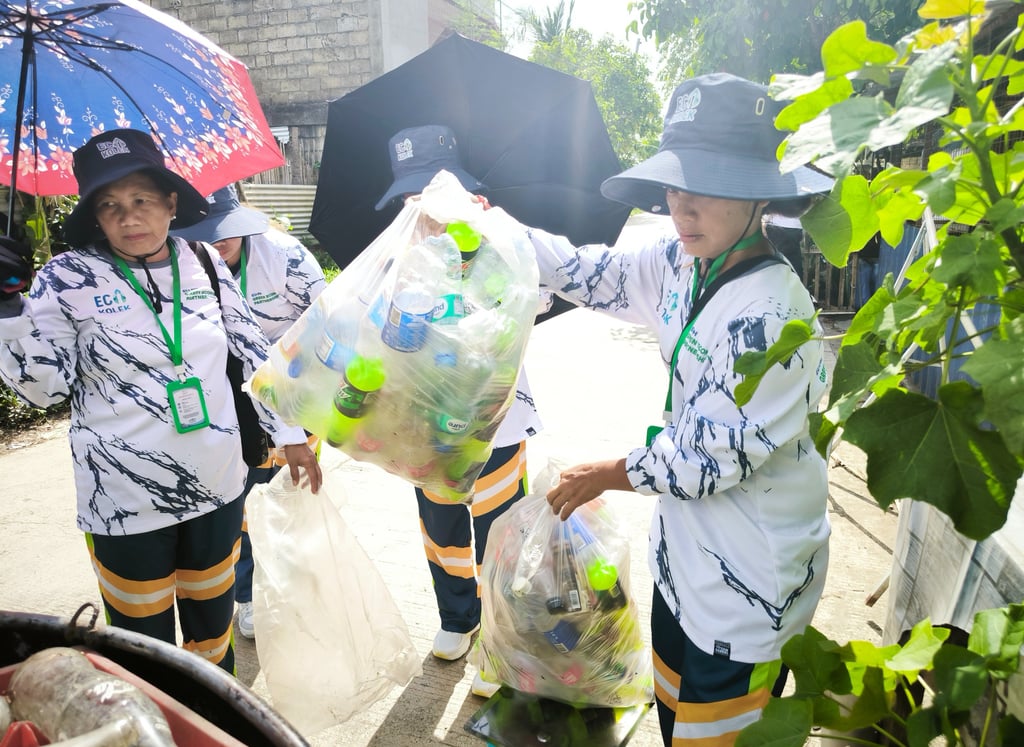
Total Recyclables Collected: 362,459 kilos
UNDP evaluates Puerto Princesa circular economy model, Eco Kolek
The United Nations Development Programme (UNDP) conducted a two-day midterm evaluation from May 5 to 6 to assess the operational progress and community impact of the grassroots circular economy initiatives in Barangay Sicsican.
MItchell Gimena
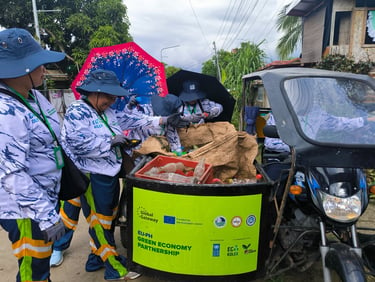
PUERTO PRINCESA CITY, Palawan — The United Nations Development Programme (UNDP) conducted a two-day midterm evaluation from May 5 to 6 to assess the operational progress and community impact of the grassroots circular economy initiatives in Barangay Sicsican.
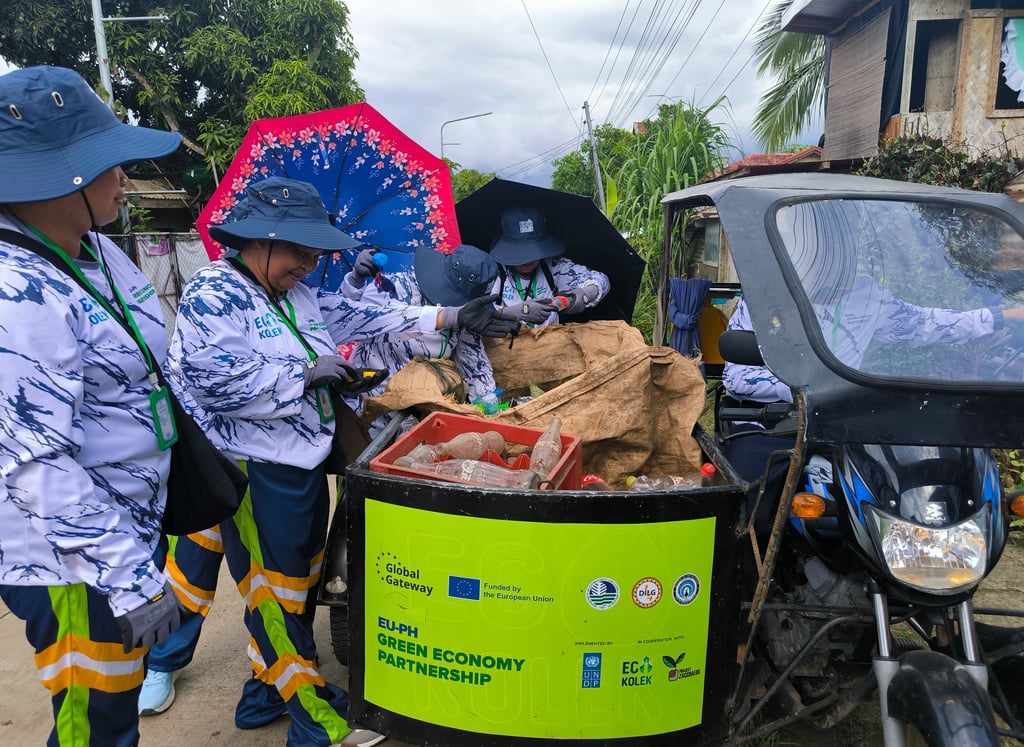
The assessment was executed under the framework of the EU-PH Green Economy Partnership, implemented by the UNDP through Project Zacchaeus' (PZC) Eco Kolek Program. To ensure alignment with local governance and environmental mandates, the initiative was conducted in close cooperation with the City Environment and Natural Resources Office (City ENRO) and the City Department of the Interior and Local Government (City DILG).
Assessing the recovery supply chain
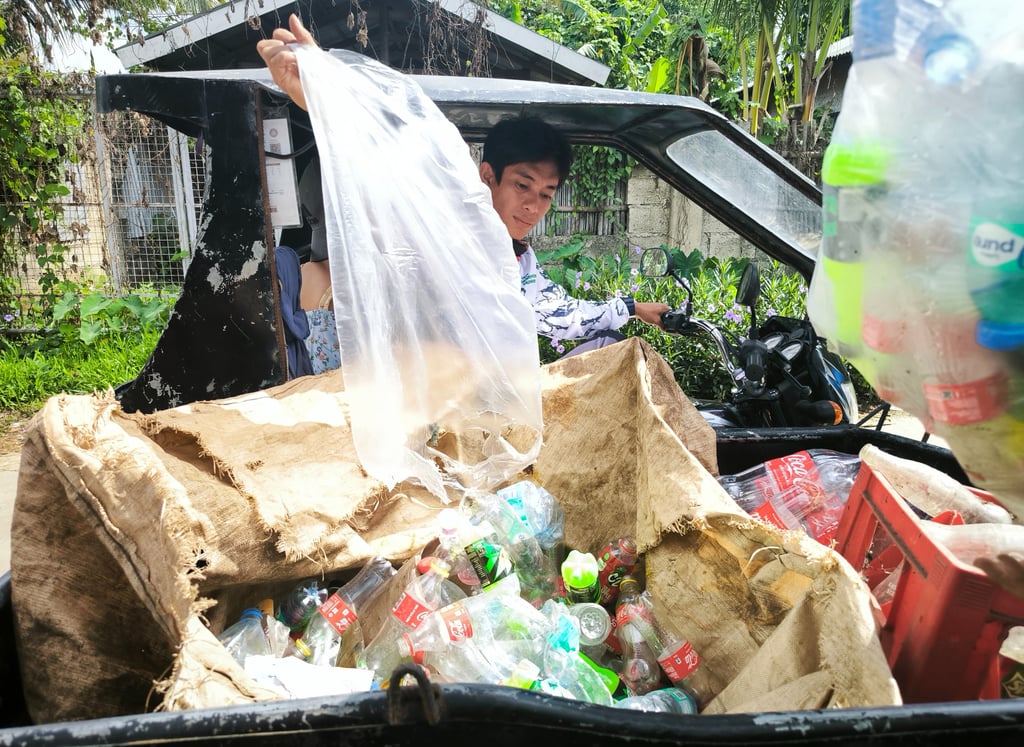
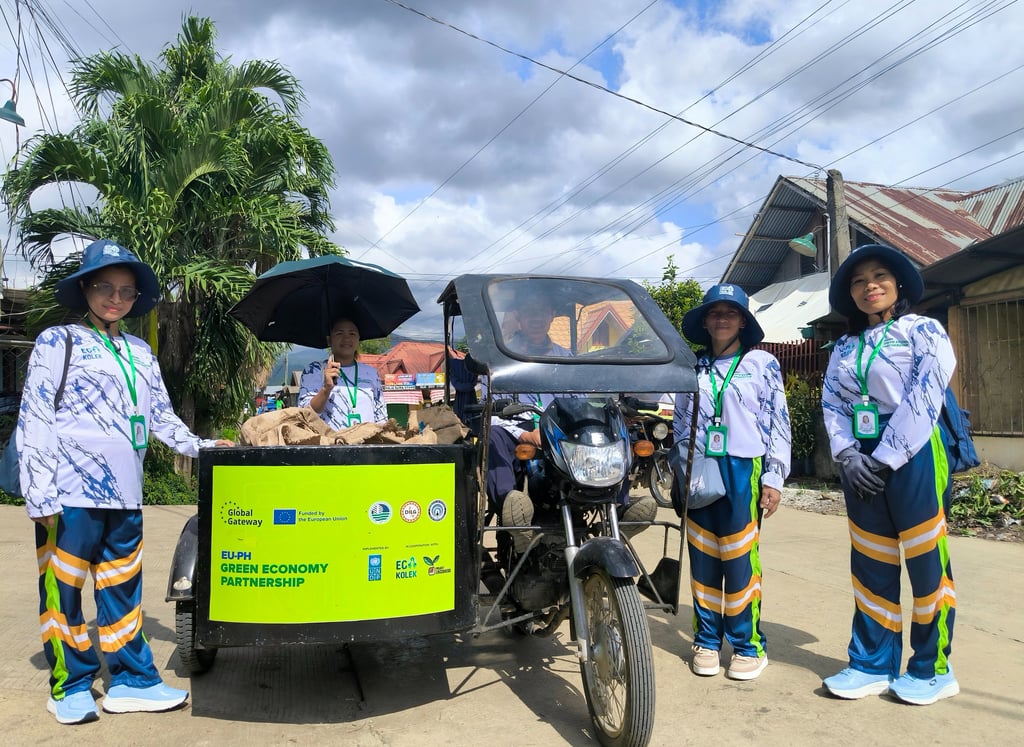
The primary objective of the evaluation was to verify the efficacy of the community-based plastic recovery model. The delegation began the assessment with an onsite inspection of the Eco-Trike logistics system, tracking the collection routes operated by the professionalized Eco Warriors.
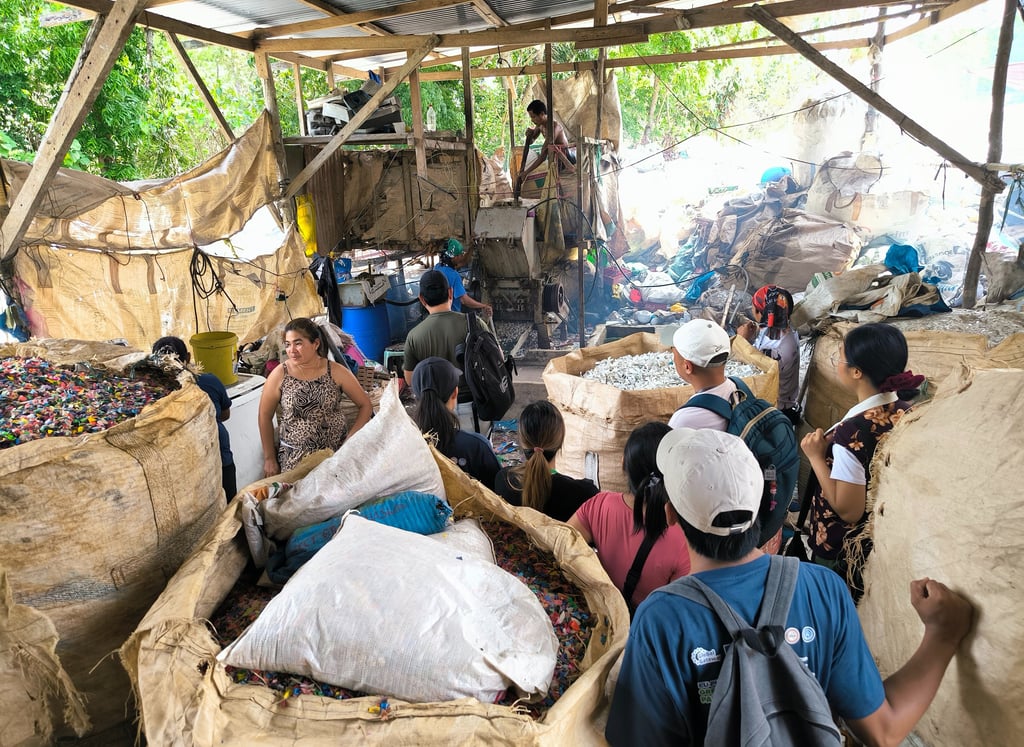
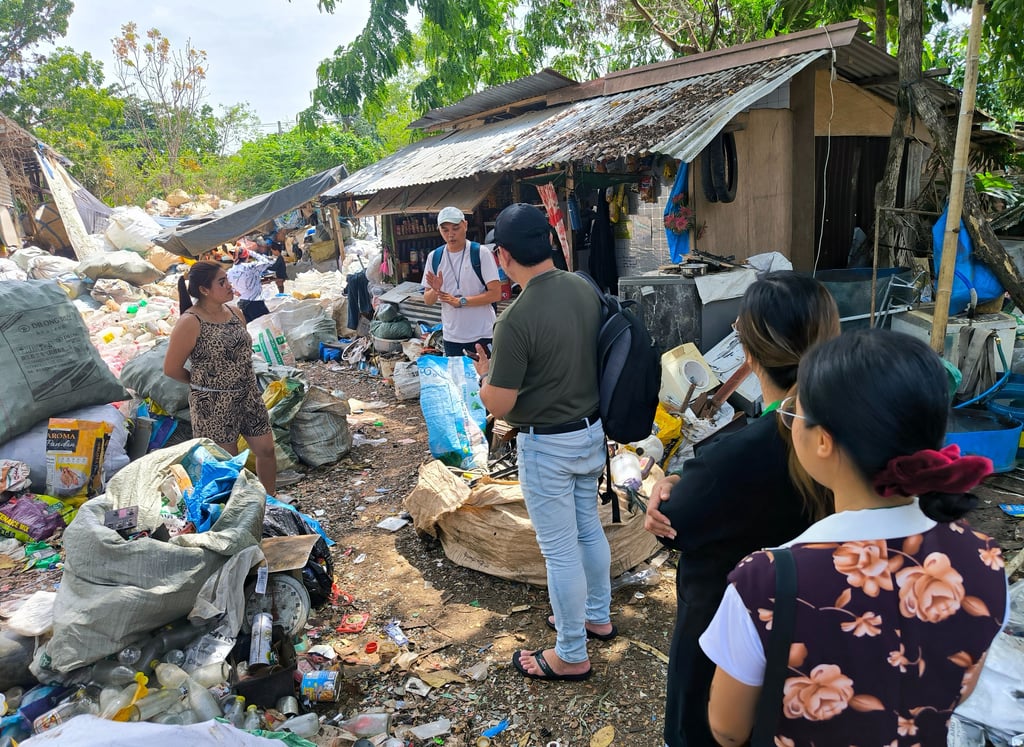
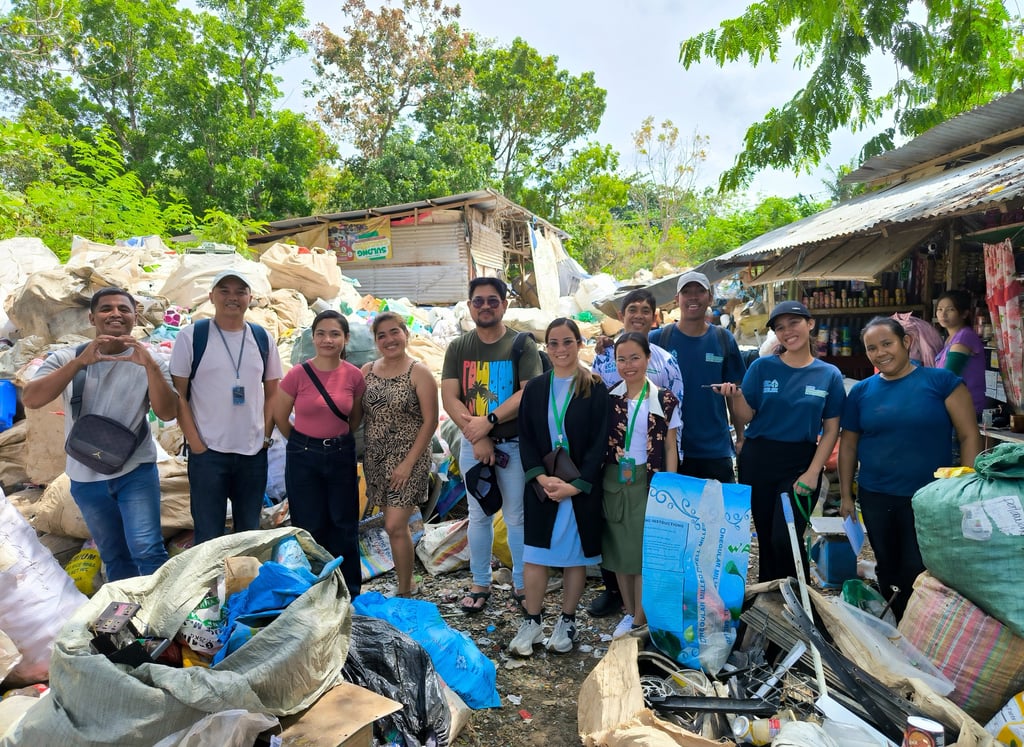
To measure actual behavioral change at the grassroots level, evaluators conducted direct interviews with participating households and business establishments regarding their source segregation practices. The delegation also traced the downstream movement of recovered materials through site visits to the city landfill and local private aggregators, specifically Jennie’s Junkshop.
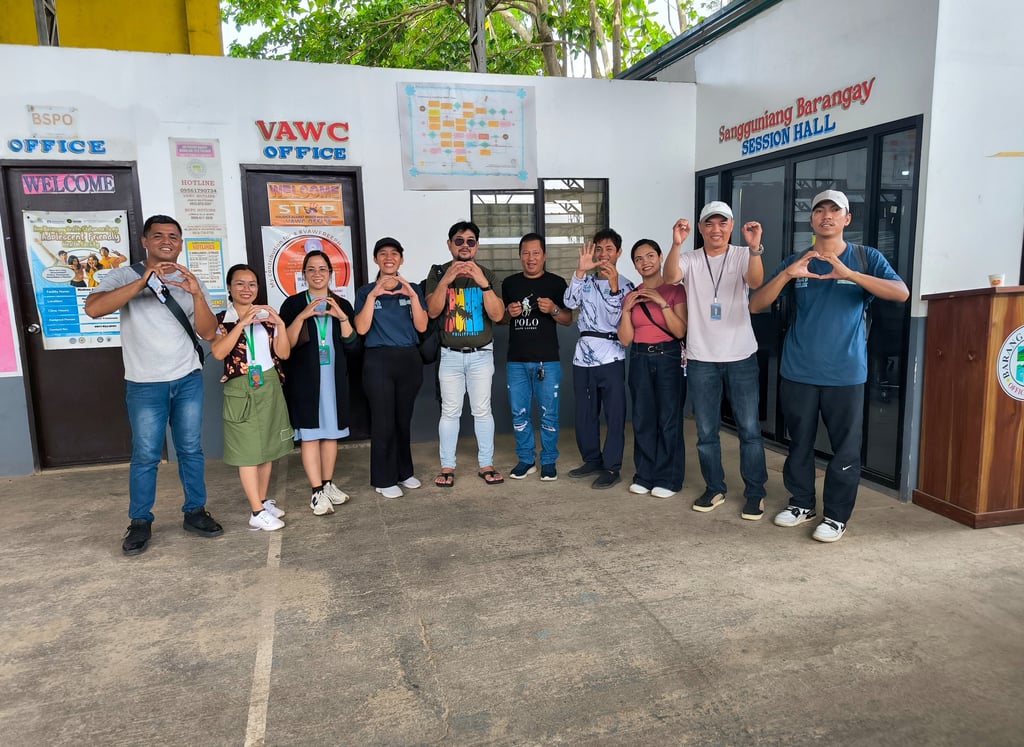
These field inspections were accompanied by coordination meetings with the City Solid Waste Management Office and representatives from the Sicsican Barangay Local Government Unit (BLGU) to review local enforcement capabilities.
Policy integration and workforce development
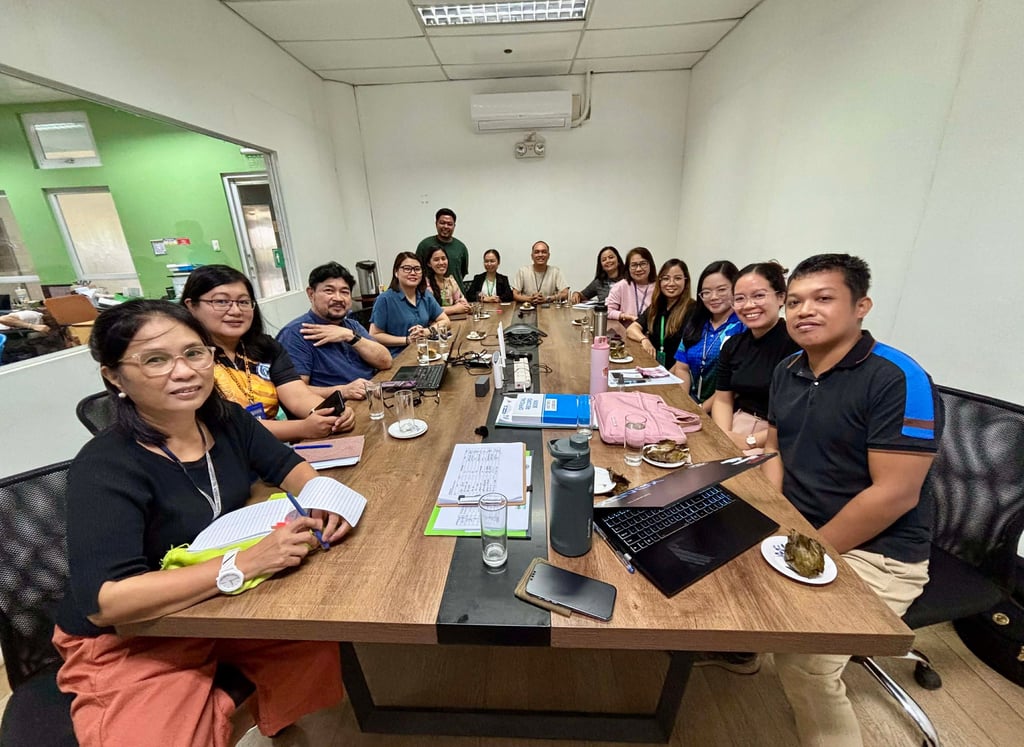
On the second day, the evaluation transitioned from field operations to institutional policy. UNDP representatives convened with the Local Circular Economy Action Team (LCEAT) at the City Hall to review Puerto Princesa’s broader transition roadmap. The discussions focused on identifying existing infrastructural challenges and establishing a definitive strategy to replicate the Eco Kolek operational framework across other barangays.
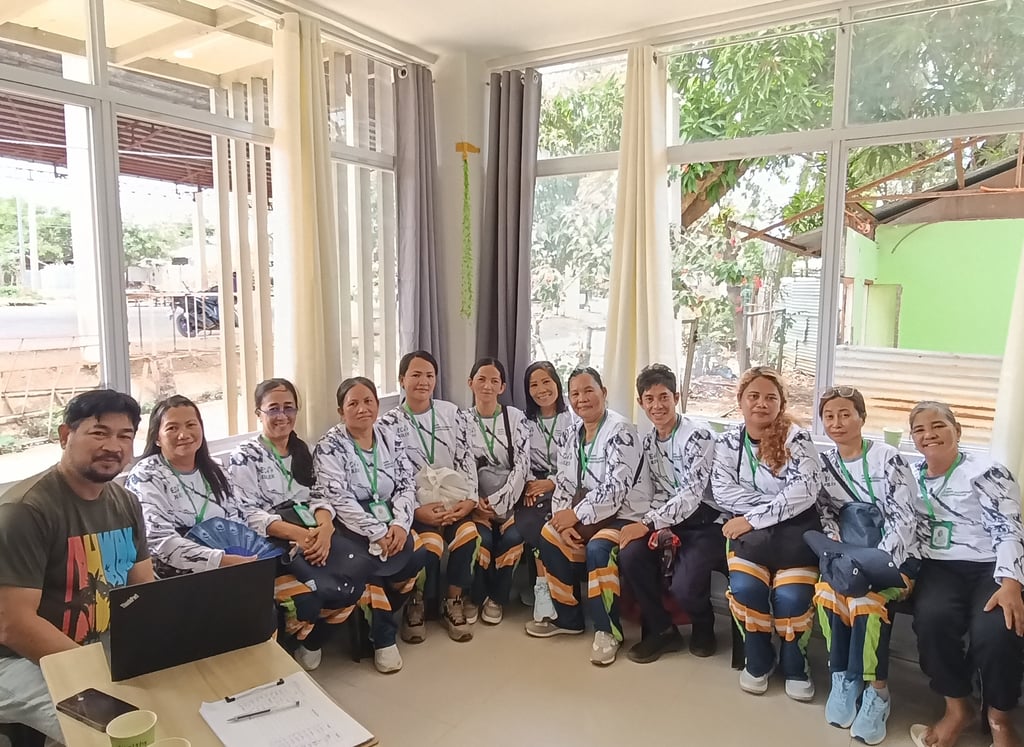
The assessment also scrutinized the socio-economic impact of the program on its frontline workers. Evaluators facilitated Focus Group Discussions (FGD) with the Eco Kolek management team and conducted consultations with the Technical Education and Skills Development Authority (TESDA). The TESDA dialogue reviewed the ongoing integration of formal technical certifications for the informal waste sector, a critical component in professionalizing the workforce.
For institutional funders and policymakers, the findings from this midterm evaluation will serve as baseline data. The results will direct the subsequent operational phases of the EU-PH Green Economy Partnership, determining how capital and technical resources will be deployed to finalize Puerto Princesa's zero-waste infrastructure.